Posted on 3/27/2026
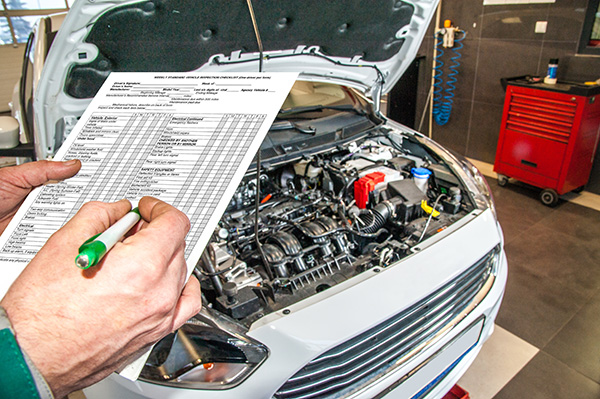
How Preventive Maintenance and Routine Vehicle Inspections Help Keep You Safe on the Road A lot of drivers think of preventive maintenance as something you do to avoid a breakdown or save money later. That is true, but it leaves out the bigger point. Keeping up with your car is one of the simplest ways to protect yourself, your passengers, and everyone else around you. Most serious vehicle problems do not appear out of nowhere. They usually start small, then grow quietly in the background until the car gives you a reason to pay attention. Why Preventive Maintenance Is Really A Safety Habit The safest cars on the road are not always the newest ones. They are usually the ones that are regularly checked and repaired before worn parts become a real problem. Good preventive maintenance keeps the basics working the way they should, which means the brakes respond properly, the tires hold the road, the steering stays predictable, and the engine and ... read more
Posted on 2/26/2026
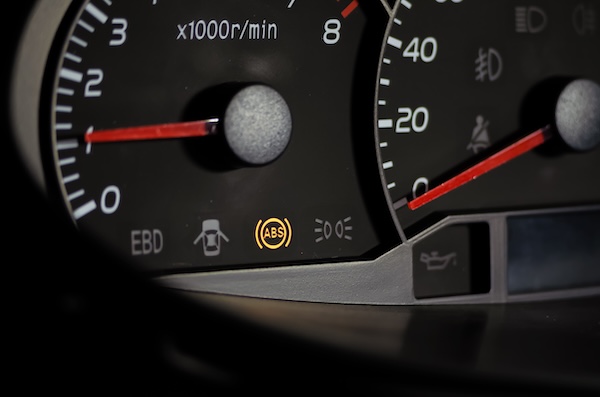
Seeing the ABS light illuminate on your dashboard can be unsettling, especially if your vehicle seems to be driving normally. The Anti-lock Braking System (ABS) is a critical safety feature that helps maintain control during hard or emergency braking. When the ABS light illuminates, it indicates the system has detected a problem that requires attention. While your standard braking system may still function, an active ABS warning indicates that an important layer of safety protection may be compromised. What Does the ABS Light Mean The ABS light signals that your vehicle’s onboard computer has detected a fault within the anti-lock braking system. This could involve sensors, wiring, control modules, or hydraulic components. When the system identifies a problem, it disables the ABS function and alerts the driver through the dashboard warning light. It’s important to note that the ABS light is different from the brake warning light. While both are related to braking, the AB ... read more
Posted on 1/30/2026
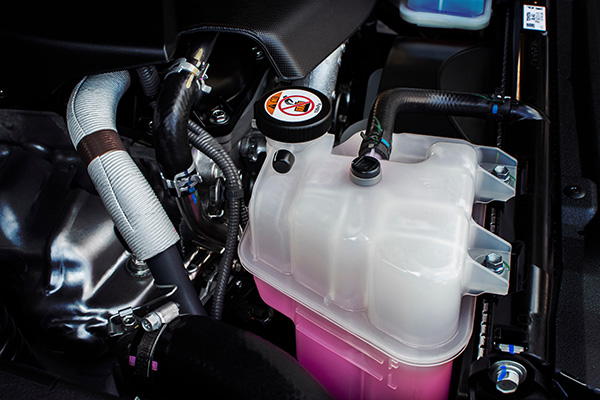
Coolant is one of those fluids most drivers never think about until something feels off. Maybe the reservoir line looks a little lower than you remember, or you get a low coolant message that disappears after you top it off once. The big question is whether this is normal aging or a sign that something is leaking or burning off. A small drop can happen, but coolant is not supposed to vanish like windshield washer fluid, so it is worth knowing where the line is between normal and not normal. What Coolant Does And Why The System Should Stay Full Coolant carries heat away from the engine, protects against freezing, and helps prevent corrosion inside the cooling system. It also relies on pressure to work correctly. The cooling system is designed to be sealed, meaning coolant should circulate, heat up, cool down, and return to the same level without needing regular top-offs. If the level is dropping repeatedly, the system is losing coolant somewhere. It migh ... read more
Posted on 12/19/2025

New Year’s Eve is meant to be a celebration, but it is also one of the trickiest nights of the year to be behind the wheel. Traffic patterns change, more people are out late, and some drivers make poor decisions after drinking or staying up too long. If you are the one driving, a few practical habits and a bit of planning can lower your risk and keep the focus on the celebration, not on a roadside emergency. Why New Year’s Eve Driving Feels Different Holiday driving late at night has its own set of challenges. Many drivers on the road may not be used to driving in the dark, and some are distracted by phones or excited passengers. You can also run into wet, icy, or foggy conditions that change quickly as temperatures drop. That mix of reduced visibility and distracted or impaired drivers means you have to leave more space, scan farther ahead, and expect the unexpected. Common Mistakes Drivers Make on New Year’s Eve A lot of troubl ... read more
Posted on 11/28/2025

Volvo’s air suspension delivers a calm, level ride when it is healthy. When it is not, the car can sit low on one corner, ride harshly, or cycle the compressor so often that it feels like something is always wrong. If you have repaired one part only to see a new warning a few weeks later, you are not alone. Air systems have several pieces working together, and small leaks or control issues can make good parts look bad. How Volvo Air Suspension Works Instead of steel springs, each corner uses an air spring that inflates to hold the vehicle at a set height. A compressor fills a reservoir, valves route air to each spring, and height sensors tell the control module where the body sits. The system adjusts for passengers, cargo, and road conditions so the car stays level and stable. When everything is sealed and calibrated, the ride is smooth and the body stays flat in corners. Common Failure Points in Volvo Air Systems Air springs age as rubber ... read more